Trust lost; affairs given to the unfit
Appeared
In brief
A bedouin once interrupted the Prophet ﷺ to ask when the Hour would come. The Prophet ﷺ finished what he was saying, then answered: when trust (amanah) is lost, wait for the Hour. And trust is lost when responsibilities are given to people who are not fit for them.
Hudhayfah narrated that trust will be lifted from people's hearts little by little, until people say 'in such-and-such tribe there is one trustworthy man', and someone is praised as clever, charming and wise while he does not have a mustard seed of faith in his heart. Scholars note that this covers every kind of responsibility, from ruling a country to running a household.
'Each of you is a shepherd and each is responsible for his flock.' Keep the trusts you hold.
Where it sits in the sequence
The narrations do not put these in order, and many of them overlap. Sahih al-Bukhari 7121 lists several together.
Strongest narrations
Read all in the archive →Tags are automatic and unreviewed.
حَدَّثَنَا مُحَمَّدُ بْنُ سِنَانٍ، قَالَ حَدَّثَنَا فُلَيْحٌ، ح وَحَدَّثَنِي إِبْرَاهِيمُ بْنُ الْمُنْذِرِ، قَالَ حَدَّثَنَا مُحَمَّدُ بْنُ فُلَيْحٍ، قَالَ حَدَّثَنِي أَبِي قَالَ، حَدَّثَنِي هِلاَلُ بْنُ عَلِيٍّ، عَنْ عَطَاءِ بْنِ يَسَارٍ، عَنْ أَبِي هُرَيْرَةَ، قَالَ بَيْنَمَا النَّبِيُّ صلى الله عليه وسلم فِي مَجْلِسٍ يُحَدِّثُ الْقَوْمَ جَاءَهُ أَعْرَابِيٌّ فَقَالَ مَتَى السَّاعَةُ فَمَضَى رَسُولُ اللَّهِ صلى الله عليه وسلم يُحَدِّثُ، فَقَالَ بَعْضُ الْقَوْمِ سَمِعَ مَا قَالَ، فَكَرِهَ مَا قَالَ، وَقَالَ بَعْضُهُمْ بَلْ لَمْ يَسْمَعْ، حَتَّى إِذَا قَضَى حَدِيثَهُ قَالَ " أَيْنَ ـ أُرَاهُ ـ السَّائِلُ عَنِ السَّاعَةِ ". قَالَ هَا أَنَا يَا رَسُولَ اللَّهِ. قَالَ " فَإِذَا ضُيِّعَتِ الأَمَانَةُ فَانْتَظِرِ السَّاعَةَ ". قَالَ كَيْفَ إِضَاعَتُهَا قَالَ " إِذَا وُسِّدَ الأَمْرُ إِلَى غَيْرِ أَهْلِهِ فَانْتَظِرِ السَّاعَةَ ".
Narrated Abu Huraira:While the Prophet (ﷺ) was saying something in a gathering, a Bedouin came and asked him, "When would the Hour (Doomsday) take place?" Allah's Messenger (ﷺ) continued his talk, so some people said that Allah's Messenger (ﷺ) had heard the question, but did not like what that Bedouin had asked. Some of them said that Allah's Messenger (ﷺ) had not heard it. When the Prophet (ﷺ) finished his speech, he said, "Where is the questioner, who inquired about the Hour (Doomsday)?" The Bedouin said, "I am here, O Allah's Apostle ." Then the Prophet (ﷺ) said, "When honesty is lost, then wait for the Hour (Doomsday)." The Bedouin said, "How will that be lost?" The Prophet (ﷺ) said, "When the power or authority comes in the hands of unfit persons, then wait for the Hour (Doomsday)
حَدَّثَنَا مُحَمَّدُ بْنُ سِنَانٍ، حَدَّثَنَا فُلَيْحُ بْنُ سُلَيْمَانَ، حَدَّثَنَا هِلاَلُ بْنُ عَلِيٍّ، عَنْ عَطَاءِ بْنِ يَسَارٍ، عَنْ أَبِي هُرَيْرَةَ ـ رضى الله عنه ـ قَالَ قَالَ رَسُولُ اللَّهِ صلى الله عليه وسلم " إِذَا ضُيِّعَتِ الأَمَانَةُ فَانْتَظِرِ السَّاعَةَ ". قَالَ كَيْفَ إِضَاعَتُهَا يَا رَسُولَ اللَّهِ قَالَ " إِذَا أُسْنِدَ الأَمْرُ إِلَى غَيْرِ أَهْلِهِ، فَانْتَظِرِ السَّاعَةَ ".
Narrated Abu Huraira:Allah's Messenger (ﷺ) said, "When honesty is lost, then wait for the Hour." It was asked, "How will honesty be lost, O Allah's Messenger (ﷺ)?" He said, "When authority is given to those who do not deserve it, then wait for the Hour
حَدَّثَنَا أَبُو بَكْرِ بْنُ أَبِي شَيْبَةَ، حَدَّثَنَا أَبُو مُعَاوِيَةَ، وَوَكِيعٌ، ح وَحَدَّثَنَا أَبُو كُرَيْبٍ، حَدَّثَنَا أَبُو مُعَاوِيَةَ، عَنِ الأَعْمَشِ، عَنْ زَيْدِ بْنِ وَهْبٍ، عَنْ حُذَيْفَةَ، قَالَ حَدَّثَنَا رَسُولُ اللَّهِ صلى الله عليه وسلم حَدِيثَيْنِ قَدْ رَأَيْتُ أَحَدَهُمَا وَأَنَا أَنْتَظِرُ الآخَرَ حَدَّثَنَا " أَنَّ الأَمَانَةَ نَزَلَتْ فِي جِذْرِ قُلُوبِ الرِّجَالِ ثُمَّ نَزَلَ الْقُرْآنُ فَعَلِمُوا مِنَ الْقُرْآنِ وَعَلِمُوا مِنَ السُّنَّةِ " . ثُمَّ حَدَّثَنَا عَنْ رَفْعِ الأَمَانَةِ قَالَ " يَنَامُ الرَّجُلُ النَّوْمَةَ فَتُقْبَضُ الأَمَانَةُ مِنْ قَلْبِهِ فَيَظَلُّ أَثَرُهَا مِثْلَ الْوَكْتِ ثُمَّ يَنَامُ النَّوْمَةَ فَتُقْبَضُ الأَمَانَةُ مِنْ قَلْبِهِ فَيَظَلُّ أَثَرُهَا مِثْلَ الْمَجْلِ كَجَمْرٍ دَحْرَجْتَهُ عَلَى رِجْلِكَ فَنَفِطَ فَتَرَاهُ مُنْتَبِرًا وَلَيْسَ فِيهِ شَىْءٌ - ثُمَّ أَخَذَ حَصًى فَدَحْرَجَهُ عَلَى رِجْلِهِ - فَيُصْبِحُ النَّاسُ يَتَبَايَعُونَ لاَ يَكَادُ أَحَدٌ يُؤَدِّي الأَمَانَةَ حَتَّى يُقَالَ إِنَّ فِي بَنِي فُلاَنٍ رَجُلاً أَمِينًا . حَتَّى يُقَالَ لِلرَّجُلِ مَا أَجْلَدَهُ مَا أَظْرَفَهُ مَا أَعْقَلَهُ وَمَا فِي قَلْبِهِ مِثْقَالُ حَبَّةٍ مِنْ خَرْدَلٍ مِنْ إِيمَانٍ " . وَلَقَدْ أَتَى عَلَىَّ زَمَانٌ وَمَا أُبَالِي أَيَّكُمْ بَايَعْتُ لَئِنْ كَانَ مُسْلِمًا لَيَرُدَّنَّهُ عَلَىَّ دِينُهُ وَلَئِنْ كَانَ نَصْرَانِيًّا أَوْ يَهُودِيًّا لَيَرُدَّنَّهُ عَلَىَّ سَاعِيهِ وَأَمَّا الْيَوْمَ فَمَا كُنْتُ لأُبَايِعَ مِنْكُمْ إِلاَّ فُلاَنًا وَفُلاَنًا .
Hudhaifa reported:The Messenger of Allah (ﷺ) narrated to us two ahadith. I have seen one (crystallized into reality), and I am waiting for the other. He told us: Trustworthiness descended in the innermost (root) of the hearts of people. Then the Qur'an was revealed and they learnt from the Qur'an and they learnt from the Sunnah. Then he (the Holy Prophet) told us about the removal of trustworthiness. He said: The man would have a wink of sleep and trustworthiness would be taken away from his heart leaving the impression of a faint mark. He would again sleep and trustworthiness would be taken away from his heart leaving an impression of a blister, as if you rolled down an ember on your foot and it was vesicled. He would see a swelling having nothing in it. He (the Holy Prophet) then took up a pebble and rolled it down over his foot and (said): The people would enter into transactions amongst one another and hardly a person would be left who would return (things) entrusted to him. (And there would be so much paucity of honest persons) till it would be said: There in such a such tribe is a trustworthy man. And they would also say about a person: How prudent he is, how broad-minded he is and how intelligent he is, whereas in his heart there would not be faith even to the weight of a mustard seed. I have passed through a time in which I did not care with whom amongst you I entered into a transaction, for if he were a Muslim his faith would compel him to discharge his obligations to me and it he were a Christian or a Jew, the ruler would compel him to discharge his obligations to me. But today I would not enter into a transaction with you except so and so
حَدَّثَنَا هَنَّادٌ، حَدَّثَنَا أَبُو مُعَاوِيَةَ، عَنِ الأَعْمَشِ، عَنْ زَيْدِ بْنِ وَهْبٍ، عَنْ حُذَيْفَةَ بْنِ الْيَمَانِ، حَدَّثَنَا رَسُولُ اللَّهِ صلى الله عليه وسلم حَدِيثَيْنِ قَدْ رَأَيْتُ أَحَدَهُمَا وَأَنَا أَنْتَظِرُ الآخَرَ حَدَّثَنَا " أَنَّ الأَمَانَةَ نَزَلَتْ فِي جَذْرِ قُلُوبِ الرِّجَالِ ثُمَّ نَزَلَ الْقُرْآنُ فَعَلِمُوا مِنَ الْقُرْآنِ وَعَلِمُوا مِنَ السُّنَّةِ " . ثُمَّ حَدَّثَنَا عَنْ رَفْعِ الأَمَانَةِ فَقَالَ " يَنَامُ الرَّجُلُ النَّوْمَةَ فَتُقْبَضُ الأَمَانَةُ مِنْ قَلْبِهِ فَيَظَلُّ أَثَرُهَا مِثْلَ الْوَكْتِ ثُمَّ يَنَامُ نَوْمَةً فَتُقْبَضُ الأَمَانَةُ مِنْ قَلْبِهِ فَيَظَلُّ أَثَرُهَا مِثْلَ الْمَجْلِ كَجَمْرٍ دَحْرَجْتَهُ عَلَى رِجْلِكَ فَنَفِطَتْ فَتَرَاهُ مُنْتَبِرًا وَلَيْسَ فِيهِ شَيْءٌ " . ثُمَّ أَخَذَ حَصَاةً فَدَحْرَجَهَا عَلَى رِجْلِهِ قَالَ " فَيُصْبِحُ النَّاسُ يَتَبَايَعُونَ لاَ يَكَادُ أَحَدُهُمْ يُؤَدِّي الأَمَانَةَ حَتَّى يُقَالَ إِنَّ فِي بَنِي فُلاَنٍ رَجُلاً أَمِينًا وَحَتَّى يُقَالَ لِلرَّجُلِ مَا أَجْلَدَهُ وَأَظْرَفَهُ وَأَعْقَلَهُ وَمَا فِي قَلْبِهِ مِثْقَالُ حَبَّةٍ مِنْ خَرْدَلٍ مِنْ إِيمَانٍ " . قَالَ وَلَقَدْ أَتَى عَلَىَّ زَمَانٌ وَمَا أُبَالِي أَيُّكُمْ بَايَعْتُ فِيهِ لَئِنْ كَانَ مُسْلِمًا لَيَرُدَّنَّهُ عَلَىَّ دِينُهُ وَلَئِنْ كَانَ يَهُودِيًّا أَوْ نَصْرَانِيًّا لَيَرُدَّنَّهُ عَلَىَّ سَاعِيهِ فَأَمَّا الْيَوْمَ فَمَا كُنْتُ لأُبَايِعَ مِنْكُمْ إِلاَّ فُلاَنًا وَفُلاَنًا . قَالَ أَبُو عِيسَى هَذَا حَدِيثٌ حَسَنٌ صَحِيحٌ .
Hudhaifah [bin Al-Yaman] said:"The Messenger of Allah {s.a.w} narrated two narrations to us, one of which I have seen {happening} and I am waiting for the other. He narrated that (in the beginning) trust was preserved in the roots of the hearts of men, then the Qur'an was revealed, and they learned it from the Qur'an, and then they learned it from the Sunnah. Then he narrated to us about the disappearance of trust, saying, 'A man will go to sleep whereupon trust will be taken away from his heart, and only its trace will remain, like speckles. He then will sleep, whereupon the remainder of the trust will also be taken away and trace will remain like a blister, like an ember that you roll on your feet, it causes pain and you see it swollen while it contains nothing.' Then he took a pebble and rolled it over his leg. He said: 'So there will come a day when people will deal in business with each other, but there will hardly be any trustworthy persons among them, such that it would be said that in such and such a tribe, there is such and such person, who is honest, and until a man will be admired for his strength, intelligence, and good manners, although indeed he will not have faith equal to a mustard seed in his heart."' He (Hudhaifah) added: "There came upon me a time when I did not mind dealing with anyone of you, for if he was a Muslim, his religion would prevent him from cheating me, and if was a Jew or a Christian, his Muslim ruler would prevent him from cheating me; but today I cannot deal except with so-and-so and so-and-so
حَدَّثَنَا أَبُو بَكْرِ بْنُ أَبِي شَيْبَةَ، حَدَّثَنَا يَزِيدُ بْنُ هَارُونَ، حَدَّثَنَا عَبْدُ الْمَلِكِ بْنُ قُدَامَةَ الْجُمَحِيُّ، عَنْ إِسْحَاقَ بْنِ أَبِي الْفُرَاتِ، عَنِ الْمَقْبُرِيِّ، عَنْ أَبِي هُرَيْرَةَ، قَالَ قَالَ رَسُولُ اللَّهِ ـ صلى الله عليه وسلم ـ " سَيَأْتِي عَلَى النَّاسِ سَنَوَاتٌ خَدَّاعَاتٌ يُصَدَّقُ فِيهَا الْكَاذِبُ وَيُكَذَّبُ فِيهَا الصَّادِقُ وَيُؤْتَمَنُ فِيهَا الْخَائِنُ وَيُخَوَّنُ فِيهَا الأَمِينُ وَيَنْطِقُ فِيهَا الرُّوَيْبِضَةُ قِيلَ وَمَا الرُّوَيْبِضَةُ قَالَ الرَّجُلُ التَّافِهُ فِي أَمْرِ الْعَامَّةِ " .
It was narrated from Abu Hurairah that the Messenger of Allah (ﷺ) said:“There will come to the people years of treachery, when the liar will be regarded as honest, and the honest man will be regarded as a liar; the traitor will be regarded as faithful, and the faithful man will be regarded as a traitor; and the Ruwaibidah will decide matters.’ It was said: ‘Who are the Ruwaibidah?’ He said: ‘Vile and base men who control the affairs of the people.’”
حَدَّثَنَا عَلِيُّ بْنُ مُحَمَّدٍ، حَدَّثَنَا وَكِيعٌ، عَنِ الأَعْمَشِ، عَنْ زَيْدِ بْنِ وَهْبٍ، عَنْ حُذَيْفَةَ، قَالَ حَدَّثَنَا رَسُولُ اللَّهِ ـ صلى الله عليه وسلم ـ حَدِيثَيْنِ قَدْ رَأَيْتُ أَحَدَهُمَا وَأَنَا أَنْتَظِرُ الآخَرَ حَدَّثَنَا " أَنَّ الأَمَانَةَ نَزَلَتْ فِي جَذْرِ قُلُوبِ الرِّجَالِ " . - قَالَ الطَّنَافِسِيُّ يَعْنِي وَسْطَ قُلُوبِ الرِّجَالِ - وَنَزَلَ الْقُرْآنُ فَعَلِمْنَا مِنَ الْقُرْآنِ وَعَلِمْنَا مِنَ السُّنَّةِ . ثُمَّ حَدَّثَنَا عَنْ رَفْعِهِمَا فَقَالَ " يَنَامُ الرَّجُلُ النَّوْمَةَ فَتُرْفَعُ الأَمَانَةُ مِنْ قَلْبِهِ فَيَظَلُّ أَثَرُهَا كَأَثَرِ الْوَكْتِ ثُمَّ يَنَامُ النَّوْمَةَ فَتُنْزَعُ الأَمَانَةُ مِنْ قَلْبِهِ فَيَظَلُّ أَثَرُهَا كَأَثَرِ الْمَجْلِ كَجَمْرٍ دَحْرَجْتَهُ عَلَى رِجْلِكَ فَنَفِطَ فَتَرَاهُ مُنْتَبِرًا وَلَيْسَ فِيهِ شَىْءٌ " . ثُمَّ أَخَذَ حُذَيْفَةُ كَفًّا مِنْ حَصًى فَدَحْرَجَهُ عَلَى سَاقِهِ . قَالَ " فَيُصْبِحُ النَّاسُ يَتَبَايَعُونَ وَلاَ يَكَادُ أَحَدٌ يُؤَدِّي الأَمَانَةَ حَتَّى يُقَالَ إِنَّ فِي بَنِي فُلاَنٍ رَجُلاً أَمِينًا . وَحَتَّى يُقَالَ لِلرَّجُلِ مَا أَعْقَلَهُ وَأَجْلَدَهُ وَأَظْرَفَهُ . وَمَا فِي قَلْبِهِ حَبَّةُ خَرْدَلٍ مِنْ إِيمَانٍ " . وَلَقَدْ أَتَى عَلَىَّ زَمَانٌ وَلَسْتُ أُبَالِي أَيَّكُمْ بَايَعْتُ لَئِنْ كَانَ مُسْلِمًا لَيَرُدَّنَّهُ عَلَىَّ إِسْلاَمُهُ وَلَئِنْ كَانَ يَهُودِيًّا أَوْ نَصْرَانِيًّا لَيَرُدَّنَّهُ عَلَىَّ سَاعِيهِ فَأَمَّا الْيَوْمَ فَمَا كُنْتُ لأُبَايِعَ إِلاَّ فُلاَنًا وَفُلاَنًا .
It was narrated that Hudhaifah said:“The Messenger of Allah (ﷺ) told us two Ahadith, one of which I have seen, and I am still waiting for the other. He told us: ‘Honesty was preserved in the roots of men’s hearts’-(One of the narrators) Tanafisi said: ‘Meaning in the middle of men’s hearts’-‘Then the Qur’an was revealed and we learned (it) from the Qur’an and the Sunnah.’ Then he told us about its disappearance, saying; ‘A man will go to sleep and honesty will be taken away from his heart, and only its trace will remain, like spots without color. Then he will go to sleep again and the remainder of the honesty will also be taken away (from his heart) and leaving a trace like a blister, as when an ember touches your foot and raises a blister which has nothing inside.’” Then Hudhaifah picked up a handful of pebbles and rolled them on his leg. He said: “People will engage in business with one another, but there will hardly be any honest persons among them. Then it will be said that in such and such a tribe there is an honest man, and a man will be admired for his intelligence, good manners and strength, but there will not be even a mustard seed of faith in his heart.” "There was a time when I did not mind dealing with anyone of you, for if he was a Muslim, his religion would prevent him from cheating; and if he was a Christian, his Muslim ruler would prevent him from cheating. But today I cannot deal except with so-and-so and so-and-so
Weak and ungraded reports on this sign
9
Shown for study, not as established. Includes Kitab al-Fitan of Nu'aym ibn Hammad, which is ungraded and weak overall.
Not graded under this archive's policy. The verdicts recorded are listed.
أخبرنا أبو العباس محمد بن أحمد المحبوبي بمرو، ثنا سعيد بن مسعود، أنبأ يزيد بن هارون، أنبأ عبد الملك بن قدامة الجمحي، عن إسحاق بن بكر بن الفرات، عن سعيد بن أبي سعيد المقبري، عن أبيه، عن أبي هريرة رضي الله عنه، عن النبي صلى الله عليه وسلم، قال: «تأتي على الناس سنوات جدعات يصدق فيها الكاذب، ويكذب فيها الصادق، ويؤتمن فيها الخائن، ويخون فيها الأمين، وينطق فيهم الرويبضة» قيل: يا رسول الله وما الرويبضة؟ قال: «الرجل التافه يتكلم في أمر العامة» هذا حديث صحيح الإسناد، ولم يخرجاه "
No translation yet. Arabic only.
AI draft, not reviewed by an editor. Read the Arabic for the meaning.
Not graded under this archive's policy. The verdicts recorded are listed.
حدثنا أبو بكر إسماعيل بن محمد بن إسماعيل الفقيه بالري، ثنا أبو بكر بن الفرج الأزرق، ثنا حجاج بن محمد، ثنا عبد الملك بن قدامة الجمحي، عن إسحاق بن أبي بكر، عن سعيد بن أبي سعيد، عن أبيه، عن أبي هريرة رضي الله عنه، عن النبي صلى الله عليه وسلم أنه قال: «سيأتي على الناس سنون يصدق فيها الكاذب، ويكذب فيها الصادق، ويخون فيها الأمين، ويؤتمن فيها الخائن، وينطق فيها الرويبضة» قال: قيل: يا رسول الله وما الرويبضة؟ قال: «السفيه يتكلم في أمر العامة» قال ابن قدامة: وحدثني يحيى بن سعيد الأنصاري، عن المقبري، قال: «وتشيع فيها الفاحشة» هذا حديث صحيح الإسناد، ولم يخرجاه. وهو من حديث يحيى بن سعيد الأنصاري، عن المقبري غريب جدا "
No translation yet. Arabic only.
AI draft, not reviewed by an editor. Read the Arabic for the meaning.
Not graded under this archive's policy. The verdicts recorded are listed.
حدثنا أبو العباس محمد بن يعقوب، ثنا الربيع بن سليمان، ثنا عبد الله بن وهب، أخبرني عمرو بن الحارث، أن خالد بن عبد الله الزيادي، حدثه، عن أبي عثمان الأصبحي، عن أبي هريرة رضي الله عنه، عن رسول الله صلى الله عليه وسلم، قال: «لو تعلمون ما أعلم لبكيتم كثيرا ولضحكتم قليلا، يظهر النفاق، وترفع الأمانة، وتقبض الرحمة، ويتهم الأمين، ويؤتمن غير الأمين، أناخ بكم السرف والحوب» قالوا: وما السرف والحوب يا رسول الله؟ قال: «الفتن كأمثال الليل المظلم» هذا حديث صحيح الإسناد ولم يخرجاه بهذه السياقة "
No translation yet. Arabic only.
AI draft, not reviewed by an editor. Read the Arabic for the meaning.
Not graded under this archive's policy. The verdicts recorded are listed.
حدثنا يزيد، أخبرنا عبد الملك بن قدامة، حدثنا إسحاق بن بكر بن أبي الفرات، عن سعيد بن أبي سعيد، عن أبيه، عن أبي هريرة، قال: قال رسول الله صلى الله عليه وسلم: " إنها ستأتي على الناس سنون خداعة، يصدق فيها الكاذب، ويكذب فيها الصادق، ويؤتمن فيها الخائن، ويخون فيها الأمين، وينطق فيها الرويبضة " قيل: وما الرويبضة؟ يا رسول الله قال: " السفيه يتكلم في أمر العامة "
No translation yet. Arabic only.
AI draft, not reviewed by an editor. Read the Arabic for the meaning.
Bible · New Testament
Please note: these Bible passages are here for comparison and history only. In Islam, proof comes from the Quran and sahih hadith. Reports taken from earlier scriptures (Isra'iliyyat) are not treated as proof.
2 Tim & 2 Peter 3:1-5; 2 Peter 3:3-13
Moral Collapse in the Last Days, Scoffers Denying the Promise, and the Dissolution of Elements in Fire
Paul describes the perilous times of the last days: people will be lovers of self, lovers of money, boastful, arrogant, abusive, disobedient to parents, ungrateful, unholy, without natural affection, slanderers, without self-control, lovers of pleasure rather than lovers of God. Peter warns that scoffers will mock: 'Where is the promise of his coming? For since the fathers fell asleep, all things continue as they were from the beginning of creation.' But the Day of the Lord will come like a thief; the heavens will pass away with a roar, the elements will dissolve with fervent heat, and the earth and works in it will be laid bare.
Τοῦτο δὲ γίνωσκε, ὅτι ἐν ἐσχάταις ἡμέραις ἐνστήσονται καιροὶ χαλεποί. ἔσονται γὰρ οἱ ἄνθρωποι φίλαυτοι, φιλάργυροι, ἀλαζόνες, ὑπερήφανοι, βλάσφημοι, γονεῦσιν ἀπειθεῖς, ἀχάριστοι, ἀνόσιοι,
Know this, that in the last days, grievous times will come. For people will be lovers of self, lovers of money, boastful, arrogant, blasphemers, disobedient to parents, unthankful, unholy,
Ἥξει δὲ ἡμέρα κυρίου ὡς κλέπτης, ἐν ᾗ οἱ οὐρανοὶ ῥοιζηδὸν παρελεύσονται, στοιχεῖα δὲ καυσούμενα λυθήσεται, καὶ γῆ καὶ τὰ ἐν αὐτῇ ἔργα εὑρεθήσεται.
But the day of the Lord will come as a thief in the night; in which the heavens will pass away with a great noise, and the elements will be dissolved with fervent heat, and the earth and the works that are in it will be burned up.
Comparative Traditions
Please note: these Bible passages are here for comparison and history only. In Islam, proof comes from the Quran and sahih hadith. Reports taken from earlier scriptures (Isra'iliyyat) are not treated as proof.
The Footsteps of the Messiah (Ikvei de-Meshicha): 15 Signs of Moral and Economic Collapse
The Babylonian Talmud records the traditions of the Tannaim and Amoraim regarding the generational crisis directly preceding the coming of the Son of David (the Messiah). The Sages cataloged 15 unmistakable symptoms: unprecedented insolence, hyperinflation where wine is expensive yet plentiful, houses of learning becoming brothels, wisdom of scholars rotting, the righteous despised, truth universally discarded, and youth treating mothers and elders with contempt.
בְּעִקְּבוֹת מְשִׁיחָא חוּצְפָא יִסְגֵּא, וְיוֹקֶר יַאֲמִיר; הַגֶּפֶן תִּתֵּן פִּרְיָהּ וְהַיַּיִן בְּיוֹקֶר, וְהַמַּלְכוּת תֵּהָפֵךְ לְמִינוּת... נַעֲרִים פְּנֵי זְקֵנִים יַלְבִּינוּ, זְקֵנִים יַעַמְדוּ מִפְּנֵי קְטַנִּים, בַּת קָמָה בְאִמָּהּ...
In the footsteps of the Messiah, insolence will increase and prices will soar; the vine will yield its fruit yet wine will be costly; the government will turn to heresy... youth will shame the face of elders, elders will stand before the young, a daughter will rise against her mother...
אֵין בֶּן דָּוִד בָּא עַד שֶׁתִּתְהַפֵּךְ כָּל הַמַּלְכוּת כֻּלָּהּ לְמִינוּת... עַד שֶׁתִּכְלֶה פְּרוּטָה מִן הַכִּיס...
The Son of David will not come until the entire kingdom is converted to heresy... and until the last small coin is depleted from the purse...
The Tree with Seven Branches: The Iron Age of Moral and Ecological Decay
Zarathushtra is shown a cosmic tree with seven branches made of gold, silver, copper, brass, lead, steel, and iron mixed with clay. The final branch of iron represents the tenth century of the millennium: affection between parent and child ceases, honest merchants are ruined while swindlers prosper, the clouds fail to yield rain in due season, hot and cold winds devastate crops, and sacred oaths are broken without remorse.
u-shan mihr i pidar az pus u birad az birad u dost az dost be shaved...
And affection of father for son, and brother for brother, and friend for friend will depart from them...
ab az chashmagan kam shaved u varan a-hangam bared...
Water will diminish from the springs, and rain will fall out of its proper season...
Signs of the End of the Millennium: Moral Reversal, Dishonesty, and the Fading of Rain
King Vishtasp asks the wise seer Jamasp about the signs when the final millennium of Zoroaster draws to a close. Jamasp replies that in that dark age, people will turn away from righteousness; the lower and unfit will dominate the noble, contracts will be broken, truth will be despised, and lying praised. Clouds will cover the sky yet yield little rain, and the seasons will lose their regular order, until Ushidar and the final Saoshyant emerge to renovate creation.
u-šan mihr ud paymān ud rāstīh nēst, ud harw kas pad drōg ud frēb rāyīnēd... ud abr pad asmān paydāg bawēd ud wārān nē wārēd...
They will have no love, no covenant, and no truth; and everyone will manage their affairs through falsehood and deceit... and clouds will appear in the sky, yet they will not rain fruitful rain...
Symptoms of the Dark Age (Kali Yuga): Decay of Dharma, Wealth as Law, and Moral Collapse
The sage Sukadeva foretells to King Parikshit the exact moral and social degradation of Kali Yuga: religion, truthfulness, cleanliness, tolerance, and memory will deteriorate day by day. In this age, physical wealth alone will be the marker of good birth and virtue; raw power will determine law and justice; deceit will be the primary virtue in business; and rulers, becoming indistinguishable from thieves, will mercilessly rob and tax their subjects until people flee into the forests to subsist on roots and leaves.
ततश्चानुदिनं धर्मः सत्यं शौचं क्षमा दया । कालेन बलिना राजन् नङ्क्ष्यत्यायुर्बलं स्मृतिः ॥ वित्तमेव कलौ नॄणां जन्माचारगुणोदयः । धर्मन्यायव्यवस्थायां कारणं बलमेव हि ॥
Then, day by day, religion, truthfulness, cleanliness, tolerance, mercy, duration of life, physical strength, and memory will all diminish... In the age of Kali, wealth alone will be the sign of good birth, proper behavior, and fine qualities; and power alone will be the determinant of law and justice.
अनावृष्ट्या विनङ्क्ष्यन्ति दुर्भिक्षकरपीडिताः । शीतातपवातवर्षैर्हिमेश्रान्योन्यतः प्रजाः ॥
Harassed by famine and excessive taxes, people will resort to eating leaves, roots, flesh, wild honey, and seeds. Parched by drought, they will become completely ruined.
Places named
What scholars have said
Scholars cite it as having appeared
Imam Ibn Battal (quoted by Ibn Hajar)d. 449 AH (~390-449 AH)
Rulers were entrusted by Allah with His servants and must appoint people of religion; when they appoint others, they have lost the trust. Ibn Hajar: 'the affair' means everything tied to religion: rule, governorship, judgeship, giving fatwa.
Fath al-Bari, on Sahih al-Bukhari 6496
Allamah Muhammad Al-Barzanjid. 1103 AH (1040-1103 AH)
Lists 'when the affair is entrusted to those unfit for it' and 'when trust is taken as booty' among these signs. He closes the chapter: these signs 'all exist, and increase day by day'.
al-Isha'a li-Ashrat al-Sa'a, ch. 2: signs that have appeared and not ended
Present-day data
These numbers show the world today beside the narration. They do not decide whether the sign has appeared; that is shown only through named scholars, in the Scholars' views tab.
A Bedouin asked when the Hour would be. The Prophet ﷺ said: 'When trust is lost, wait for the Hour.' He asked how it is lost, and was told: 'When the affair is entrusted to those unfit for it, wait for the Hour' (Sahih al-Bukhari 6496). Ibn Hajar explains 'the affair' as everything tied to religion: rule, governorship, judgeship and fatwa. No number measures lost trust; the figures below count events, not trust. Beside the scholars' readings are dated records of broken agreements and of state power turned on its own people.
Narrations behind this panel: Sahih al-Bukhari 6496 · Sahih al-Bukhari 59 · Sahih al-Bukhari 6497 · Sunan Abi Dawud 4342 · Sunan Ibn Majah 4019
What the commentators said it means
- Rulers hold Allah's servants in trust and must appoint people of religion; appointing others is losing the trust: Ibn Battal.
- Trust is lifted from hearts little by little, until people say 'among such a tribe there is a trustworthy man': Hudhayfah's narration (Sahih al-Bukhari 6497).
- Trust taken as booty, and the trustworthy treated as traitors: reports al-Barzanji lists among the signs that exist and increase.
- A time when people's covenants and trusts have become corrupted and they disagree and fall into this (interlacing his fingers): Abdullah ibn Amr's narration (Sunan Abi Dawud 4342, sahih per al-Albani).
- No people break the covenant of Allah and His Messenger except that Allah gives an enemy from outside power over them, who takes some of what they hold; and when their leaders do not rule by the Book of Allah, Allah sets them against one another: Ibn Umar's narration (Sunan Ibn Majah 4019, hasan per al-Albani).
News and journals
Dated reports from news outlets, research journals and official bodies, each with its source.
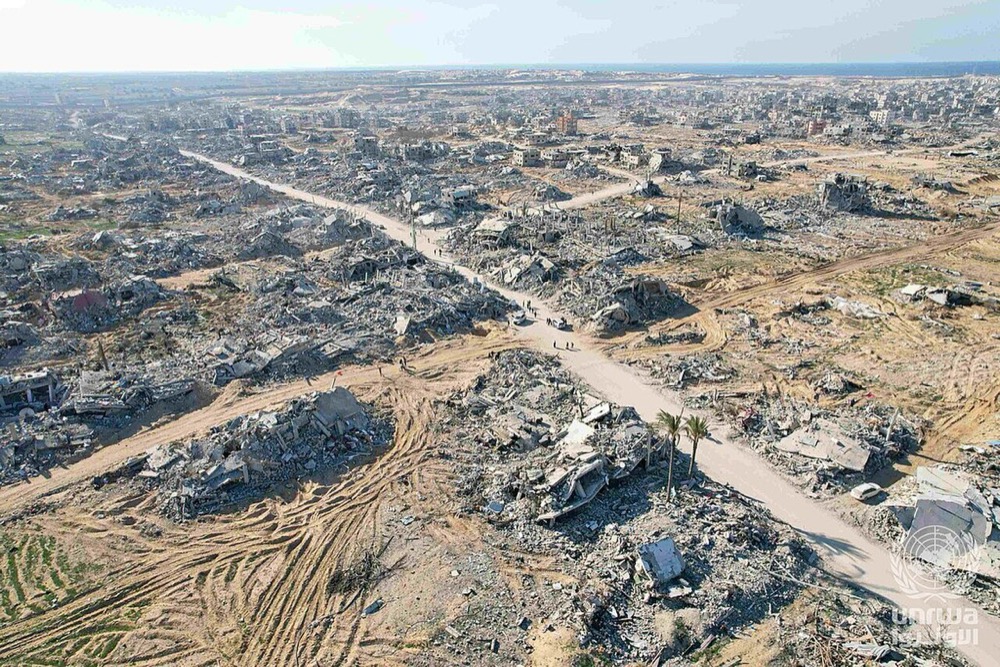
Gaza: the ceasefire of 10 October 2025
Killing has continued under the ceasefire.
- UN-verified: 1,076 deaths to the end of July 2026, including 268 children and 126 women.
- Local counts are higher: at least 1,430 killed by 1 October 2026 (Middle East Eye).
- Each side accuses the other of violations.
UN in Palestine, 12 October 2026 ↗Middle East Eye, 1 October 2026 ↗
as of 2026-10-29 · reviewed monthly
Lebanon: the cessation of hostilities of 27 November 2024
UN peacekeepers (UNIFIL) record breaches on both sides of the line.
- Israel still holds five positions and two buffer zones inside Lebanon, in violation of Security Council resolution 1701.
- March 2026: dozens of rockets and missiles fired into Israel, claimed by Hezbollah.
- One weekend in August 2026: 455 Israeli projectiles into south Lebanon and 97 airspace breaches.
- January 2026: Lebanon filed a UN complaint over daily violations.
UNIFIL statement, 3 March 2026 ↗UN News, 10 August 2026 ↗Al Jazeera, 26 January 2026 ↗
as of 2026-10-29 · reviewed monthly
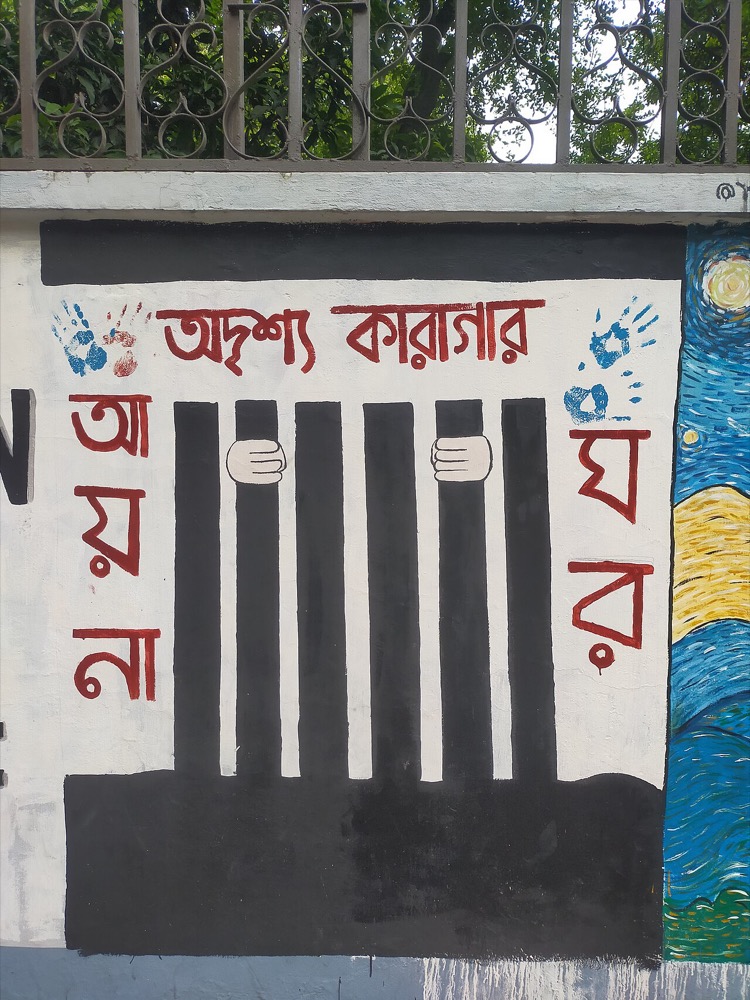
Bangladesh: Aynaghar and enforced disappearances, 2009-2024
Findings of the state Commission of Inquiry on Enforced Disappearances.
- Eight secret detention centres in and around Dhaka, commonly called 'Aynaghar', inside the compounds of forces including RAB and DGFI.
- More than 1,900 complaints analysed; about 200 people still missing.
- Final report (January 2026): disappearance was 'a core instrument of governance', aimed mostly at political opponents and critics.
Prothom Alo, 6 November 2024 ↗The Business Standard, 13 January 2026 ↗
as of 2026-10-29 · reviewed monthly
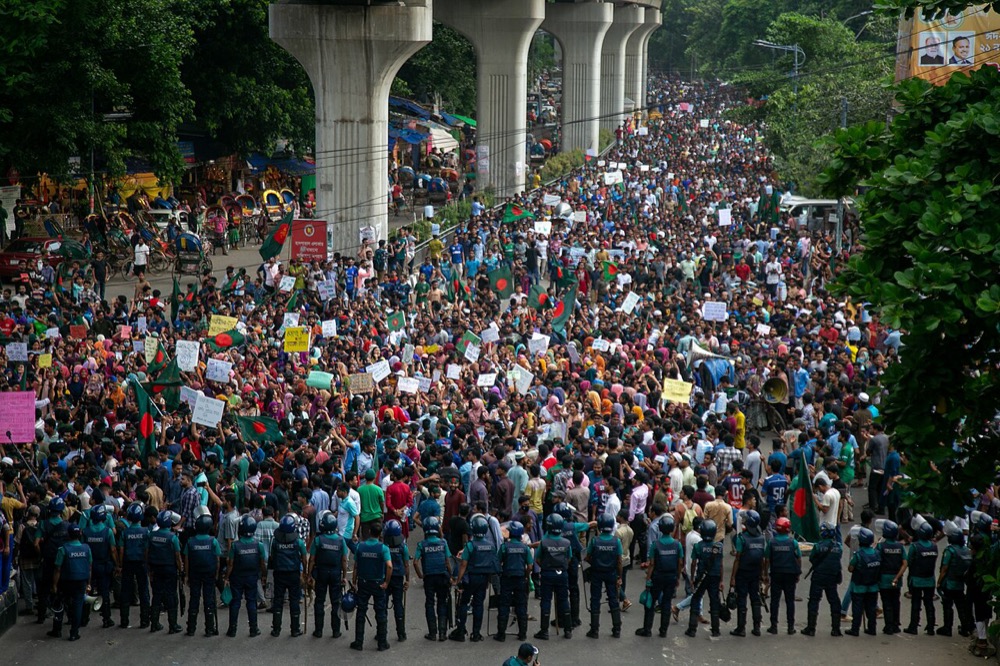
Bangladesh: the crackdown of July-August 2024
Security forces turned on student protesters.
- UN fact-finding report (February 2025): as many as 1,400 may have been killed, most by security forces, more than a hundred of them children.
- 17 November 2025: the International Crimes Tribunal in Dhaka convicted former prime minister Sheikh Hasina in absentia of crimes against humanity and sentenced her to death.
- She rejects the case as political.
Dhaka Tribune, February 2025 ↗Al Jazeera, 17 November 2025 ↗OCCRP ↗
as of 2026-10-29 · reviewed monthly
Bangladesh: public money taken abroad, 2009-2023
The government's White Paper Committee, led by Debapriya Bhattacharya, estimated (December 2024) that about US$234 billion (Tk 28 trillion) left the country illicitly, about US$16 billion a year. Named channels:
- Bribery and corruption
- Trade mispricing
- Embezzled bank funds and unpaid loans
- Over-costed projects and share-market scams
- An estimate built on Global Financial Integrity data, not a court finding.
Prothom Alo, 2 December 2024 ↗The Daily Star (editorial) ↗
as of 2026-10-29 · reviewed monthly
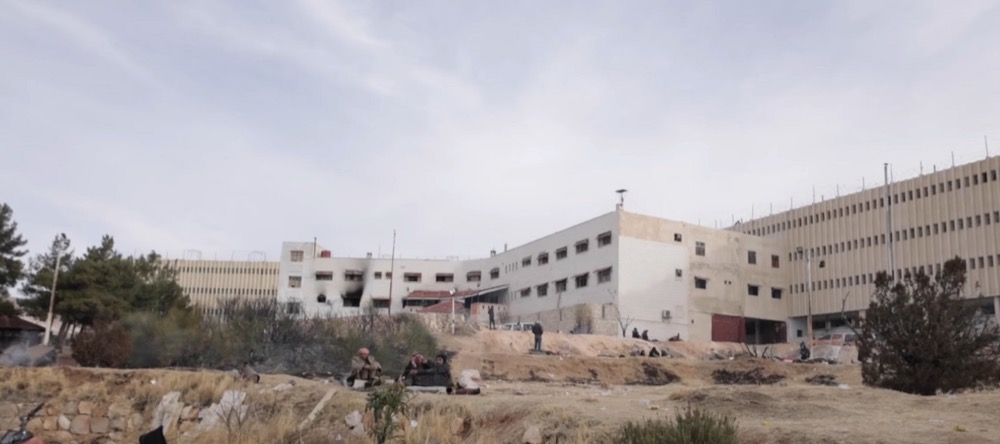
Syria: Saydnaya and the detention system, to December 2024
Findings of the UN Commission of Inquiry on Syria (January 2025).
- Systematic arbitrary detention, torture and enforced disappearance of Syrians by their own state.
- Found to amount to crimes against humanity and war crimes.
- Mass graves near Saydnaya are still being found.
UN Geneva, January 2025 ↗The New Arab ↗
as of 2026-10-29 · reviewed monthly
Read with care
- The records above come from courts, UN bodies and official inquiries, each with two outlets, and are reviewed monthly (rule 5). They are shown beside Ibn Hajar's reading of the sign (office given to the unfit) and the narrations on broken covenants; the site does not declare the sign fulfilled, and names no person or state as an end-times figure (rules 1 and 4).
- Casualty figures differ by source (UN-verified counts are lower than local authorities' counts) and the accused dispute several findings; both are stated where they apply.
Draft: figures and wording await a researcher's check and the scholar board.