The Lifting of the Qur'an from the Mushafs and Hearts in One Night
In brief
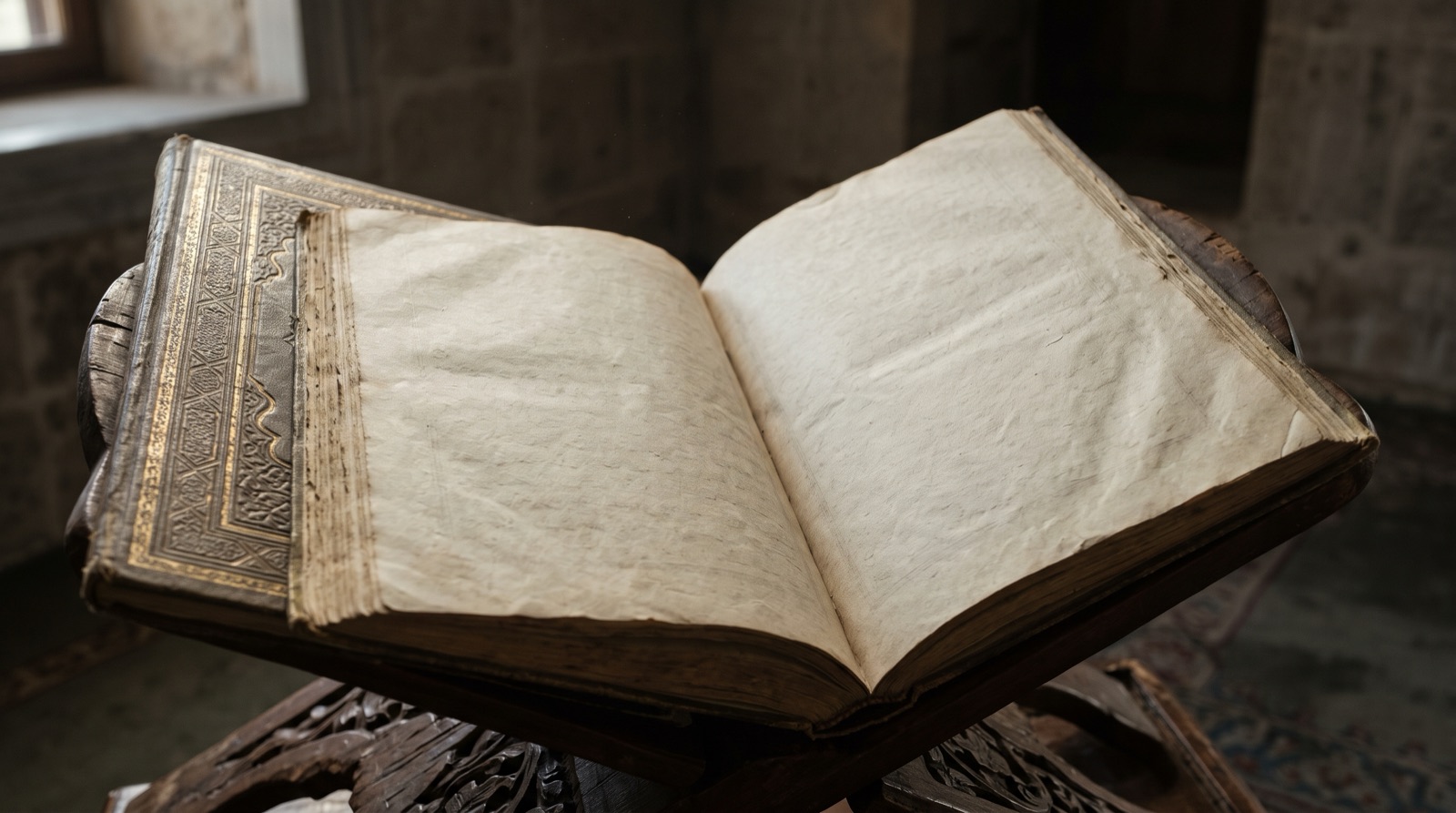
Near the very end, after the real practice of Islam has faded away, Allah will take up the Quran in a single night. Not one verse will remain, neither in the written copies nor in people's hearts.
Hudhayfah narrated that Islam will wear out like the embroidery on an old garment, until no one knows what fasting, prayer, sacrifice or charity are. Then the Book of Allah will be taken up in one night. Some old men and old women will remain who say: 'We found our fathers saying La ilaha illallah, so we say it too.' Hudhayfah said: 'It will save them from the Fire!' This comes among the last major signs, after the time of Isa (AS).
Ibn Taymiyyah and Ibn Hajar explain that the Quran is lifted out of honour for Allah's word, once no one is left who acts on it. They also point to the great mercy shown to those old believers who hold on to La ilaha illallah even after the details of the religion are gone.
Recite, memorize, and act upon the Qur'an while it is in our hands and hearts today, and never neglect the testimony of La ilaha illa Allah.
Where it sits in the sequence
The sun rising from the west and the Beast come close together, whichever is first (Sahih Muslim 2941). One version of Sahih Muslim 2901 ends its list with a fire that drives people to their gathering. The narrations here do not fix the places of the Smoke or the destruction of the Ka'bah.
Strongest narrations
Read all in the archive →Tags are automatic and unreviewed.
حَدَّثَنَا عَلِيُّ بْنُ مُحَمَّدٍ، حَدَّثَنَا أَبُو مُعَاوِيَةَ، عَنْ أَبِي مَالِكٍ الأَشْجَعِيِّ، عَنْ رِبْعِيِّ بْنِ حِرَاشٍ، عَنْ حُذَيْفَةَ بْنِ الْيَمَانِ، قَالَ قَالَ رَسُولُ اللَّهِ ـ صلى الله عليه وسلم ـ " يَدْرُسُ الإِسْلاَمُ كَمَا يَدْرُسُ وَشْىُ الثَّوْبِ حَتَّى لاَ يُدْرَى مَا صِيَامٌ وَلاَ صَلاَةٌ وَلاَ نُسُكٌ وَلاَ صَدَقَةٌ وَلَيُسْرَى عَلَى كِتَابِ اللَّهِ عَزَّ وَجَلَّ فِي لَيْلَةٍ فَلاَ يَبْقَى فِي الأَرْضِ مِنْهُ آيَةٌ وَتَبْقَى طَوَائِفُ مِنَ النَّاسِ الشَّيْخُ الْكَبِيرُ وَالْعَجُوزُ يَقُولُونَ أَدْرَكْنَا آبَاءَنَا عَلَى هَذِهِ الْكَلِمَةِ لاَ إِلَهَ إِلاَّ اللَّهُ فَنَحْنُ نَقُولُهَا " . فَقَالَ لَهُ صِلَةُ مَا تُغْنِي عَنْهُمْ لاَ إِلَهَ إِلاَّ اللَّهُ وَهُمْ لاَ يَدْرُونَ مَا صَلاَةٌ وَلاَ صِيَامٌ وَلاَ نُسُكٌ وَلاَ صَدَقَةٌ فَأَعْرَضَ عَنْهُ حُذَيْفَةُ ثُمَّ رَدَّهَا عَلَيْهِ ثَلاَثًا كُلَّ ذَلِكَ يُعْرِضُ عَنْهُ حُذَيْفَةُ ثُمَّ أَقْبَلَ عَلَيْهِ فِي الثَّالِثَةِ فَقَالَ يَا صِلَةُ تُنْجِيهِمْ مِنَ النَّارِ . ثَلاَثًا .
It was narrated from Hudhaifah bin Yaman that the Messenger of Allah (ﷺ) said:“Islam will wear out as embroidery on a garment wears out, until no one will know what fasting, prayer, (pilgrimage) rites and charity are. The Book of Allah will be taken away at night, and not one Verse of it will be left on earth. And there will be some people left, old men and old women, who will say: “We saw our fathers saying these words: ‘La ilaha illallah’ so we say them too.” Silah said to him: “What good will (saying): La ilaha illallah do them, when they do not know what fasting, prayer, (pilgrimage) rites and charity are?” Hudhaifah turned away from his. He repeated his question three times, and Hudhaifah turned away from him each time. Then he turned to him on the third time and said: “O Silah! It will save them from Hell,” three times
Weak and ungraded reports on this sign
4
Shown for study, not as established. Includes Kitab al-Fitan of Nu'aym ibn Hammad, which is ungraded and weak overall.
Not graded under this archive's policy. The verdicts recorded are listed.
أخبرني أبو بكر محمد بن عبد الله بن أحمد الحفيد، ثنا جدي، ثنا أبو كريب، أنبأ أبو معاوية، عن أبي مالك الأشجعي، عن ربعي، عن حذيفة رضي الله عنه، قال: قال رسول الله صلى الله عليه وسلم: " يدرس الإسلام كما يدرس وشي الثوب، حتى لا يدرى ما صيام ولا صدقة ولا نسك، ويسرى على كتاب الله في ليلة فلا يبقى في الأرض منه آية، ويبقى طوائف من الناس الشيخ الكبير والعجوز الكبيرة، يقولون: أدركنا آباءنا على هذه الكلمة: لا إله إلا الله فنحن نقولها " قال صلة بن زفر لحذيفة: فما تغني عنهم لا إله إلا الله، وهم لا يدرون ما صيام ولا صدقة ولا نسك؟ فأعرض عنه حذيفة، فرددها عليه ثلاثا كل ذلك يعرض عنه حذيفة، ثم أقبل عليه في الثالثة، فقال: «يا صلة تنجيهم من النار» هذا حديث صحيح على شرط مسلم، ولم يخرجاه "
No translation yet. Arabic only.
AI draft, not reviewed by an editor. Read the Arabic for the meaning.
Not graded under this archive's policy. The verdicts recorded are listed.
حدثنا علي بن عيسى بن إبراهيم، حدثنا مسدد بن قطن، حدثنا عثمان بن أبي شيبة، ثنا محمد بن فضيل، ثنا أبو مالك الأشجعي، عن أبي حازم، عن أبي هريرة رضي الله عنه، قال: «يسرى على كتاب الله فيرفع إلى السماء، فلا يصبح في الأرض آية من القرآن ولا من التوراة والإنجيل ولا الزبور، وينتزع من قلوب الرجال فيصبحون ولا يدرون ما هو» هذا حديث صحيح على شرط مسلم، ولم يخرجاه "
No translation yet. Arabic only.
AI draft, not reviewed by an editor. Read the Arabic for the meaning.
Not graded under this archive's policy. The verdicts recorded are listed.
حدثنا أبو العباس محمد بن يعقوب، ثنا محمد بن عبد الجبار، ثنا أبو معاوية، عن أبي مالك الأشجعي، عن ربعي، عن حذيفة رضي الله عنه، قال: قال رسول الله صلى الله عليه وسلم: " يدرس الإسلام كما يدرس وشي الثوب، لا يدرى ما صيام ولا صدقة ولا نسك، ويسرى على كتاب الله عز وجل في ليلة فلا يبقى في الأرض منه آية، ويبقى طوائف من الناس: الشيخ الكبير، والعجوز الكبيرة، يقولون: أدركنا آباءنا على هذه الكلمة لا إله إلا الله فنحن نقولها " فقال صلة: فما تغني عنهم لا إله إلا الله لا يدرون ما صيام ولا صدقة ولا نسك؟ فأعرض عنه حذيفة رضي الله عنه فردد عليه ثلاثا كل ذلك يعرض عنه، ثم أقبل عليه في الثالثة، فقال: «يا صلة، تنجيهم من النار، تنجيهم من النار، تنجيهم من النار» هذا حديث صحيح على شرط مسلم، ولم يخرجاه "
No translation yet. Arabic only.
AI draft, not reviewed by an editor. Read the Arabic for the meaning.
Kitab al-Fitan of Nu'aym ibn Hammad: ungraded, and weak overall. Never established on its own.
يا صلة هي تنجيهم مرتين أو ثلاثا
O connection, she saves them two or three times
Bible · Old Testament
Please note: these Bible passages are here for comparison and history only. In Islam, proof comes from the Quran and sahih hadith. Reports taken from earlier scriptures (Isra'iliyyat) are not treated as proof.
Amos & Zephaniah 8:9-12; Zephaniah 1:14-18
Darkening the Sun at Noon, Famine of the Word of God, and the Great Day of Wrath (Dies Irae)
The prophet Amos proclaims: 'In that day, I will make the sun go down at noon, and I will darken the earth in broad daylight.' A famine will follow, not of bread or thirst for water, but of hearing the words of the Lord; people will wander from sea to sea seeking the word and will not find it. Zephaniah sounds the trumpet of the Great Day: a day of wrath, distress, ruin, gloom, and darkness, when silver and gold will not be able to deliver them on the day of the Lord's burning anger.
וְהָיָ֣ה בַיֹּ֣ום הַה֗וּא... וְהֵבֵאתִ֥י הַשֶּׁ֛מֶשׁ בַּֽצָּהֳרָ֑יִם וְהַחֲשַׁכְתִּ֥י לָאָ֖רֶץ בְּיֹ֥ום אֹֽור׃ ... הִנֵּ֣ה יָמִ֤ים בָּאִים֙... וְהִשְׁלַחְתִּ֥י רָעָ֖ב בָּאָ֑רֶץ לֹֽא־רָעָ֤ב לַלֶּ֙חֶם֙ וְלֹֽא־צָמָ֣א לַמַּ֔יִם כִּ֣י אִם־לִשְׁמֹ֔עַ אֵ֖ת דִּבְרֵ֥י יְהוָֽה׃
'It will happen in that day,' says the Lord, 'that I will cause the sun to go down at noon, and I will darken the earth in the clear day... Behold, the days come, that I will send a famine in the land, not a famine of bread, nor a thirst for water, but of hearing the words of the Lord.'
קָרֹ֛וב יֹום־יְהוָ֥ה הַגָּדֹ֖ול קָרֹ֣וב וּמַהֵ֣ר מְאֹ֑ד קֹ֚ול יֹ֣ום יְהוָ֔ה מַ֥ר צֹרֵ֖חַ שָׁ֥ם גִּבֹּֽור׃ יֹ֥ום עֶבְרָ֖ה הַיֹּ֣ום הַה֑וּא יֹ֧ום צָרָ֣ה וּמְצוּקָ֗ה יֹ֤ום שֹׁאָה֙ וּמְשֹׁואָ֔ה יֹ֥ום חֹ֙שֶׁךְ֙ וַאֲפֵלָ֔ה יֹ֥ום עָנָ֖ן וַעֲרָפֶֽל׃
The great day of the Lord is near, near and hurrying greatly... That day is a day of wrath, a day of distress and anguish, a day of trouble and ruin, a day of darkness and gloom, a day of clouds and thick darkness.
What scholars have said
No scholar here cites it as having appeared
Al-Hafiz Ibn Hajar Al-Asqalani & Shaykh al-Islam Ibn TaymiyyahIbn Hajar: d. 852 AH (773-852 AH)Ibn Taymiyyah: d. 728 AH (661-728 AH)
Grade Hudhayfah's narration in Sunan Ibn Majah 4049 authentic and explain that at the very end of time, after knowledge is neglected, Allah will lift the Qur'an by night from both the written pages (masahif) and people's hearts so that it is not left among the worst of people upon whom the Hour will be established.
Fath al-Bari, on Sahih al-Bukhari 7068; Majmu' al-Fatawa 3/198
Meaning and context
'Islam will wear away as the embroidery of a garment wears away, until no one knows what fasting, prayer, sacrifice or charity are, and the Book of Allah will be taken away in a single night, and not a verse of it will remain on earth' (Sunan Ibn Majah 4049). It lies ahead; today the Quran is printed, recited and memorised as never before.
Narrations behind this panel: Sunan Ibn Majah 4049 · al-Mustadrak (al-Hakim) 8460 · al-Mustadrak (al-Hakim) 8544
What the commentators said it means
- It is lifted from the pages and from the hearts, after the pleasant wind has taken the believers: Ibn Mas'ud's report in Sunan al-Darimi, explained by Ibn Taymiyyah.
Read with care
- Declines in reading or teaching in any country are not this sign; the narration describes a single night at the end (rule 1).
Draft: figures and wording await a researcher's check and the scholar board.